Authorized Assessment Marker

Authorized security assessment marker.
Authorized security assessment marker.
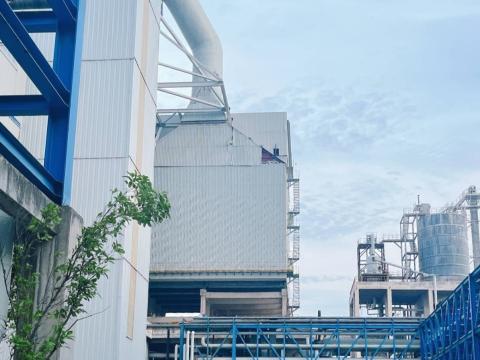
In the Electrostatic Precipitator (ESP) system of a recovery boiler, the ash conveying system is the "artery" that ensures continuous operation. It links ash hoppers, conveying equipment, and control systems with on-site maintenance. Any lack of clarity in its operating status increases the pressure on field personnel and threatens the overall stability of the system.
Recently, Enelco successfully completed a smart upgrade of the ash conveying system for Chenming Paper’s Huanggang base.
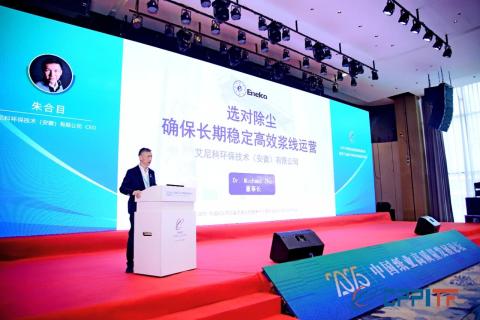
Over the three content-packed days, discussions ranged from carbon reduction and energy efficiency to intelligent operation, equipment design, and long-term stability – a clear sign that the pulp and paper sector is now standing at the intersection of high-quality development and national “dual carbon” goals.
With the world gearing up for COP30, the question of how to secure long-term, stable, low-emission operation of pulp lines through reliable electrostatic precipitators and flue gas cleaning solutions is becoming more critical than ever.

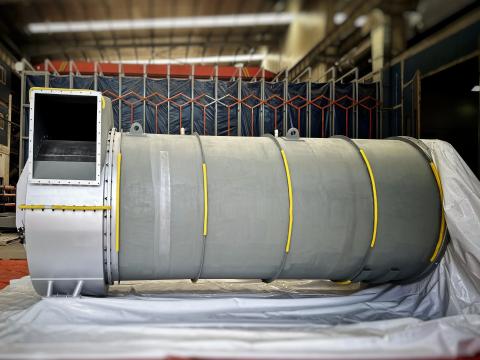
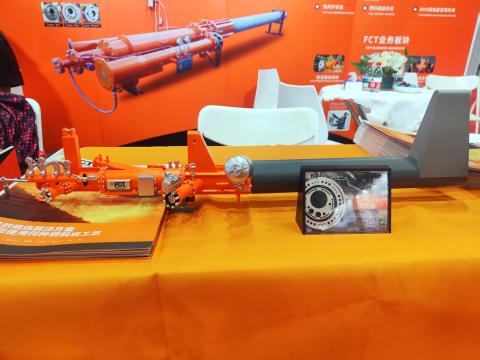
Bengbu, China – [July 19, 2025] – Enelco Environmental Technology Co., Ltd. has successfully completed the manufacturing of a custom-engineered hot gas generator (HGG) for FCT Combustion, destined for a cement clinker grinding and drying project in Belgium.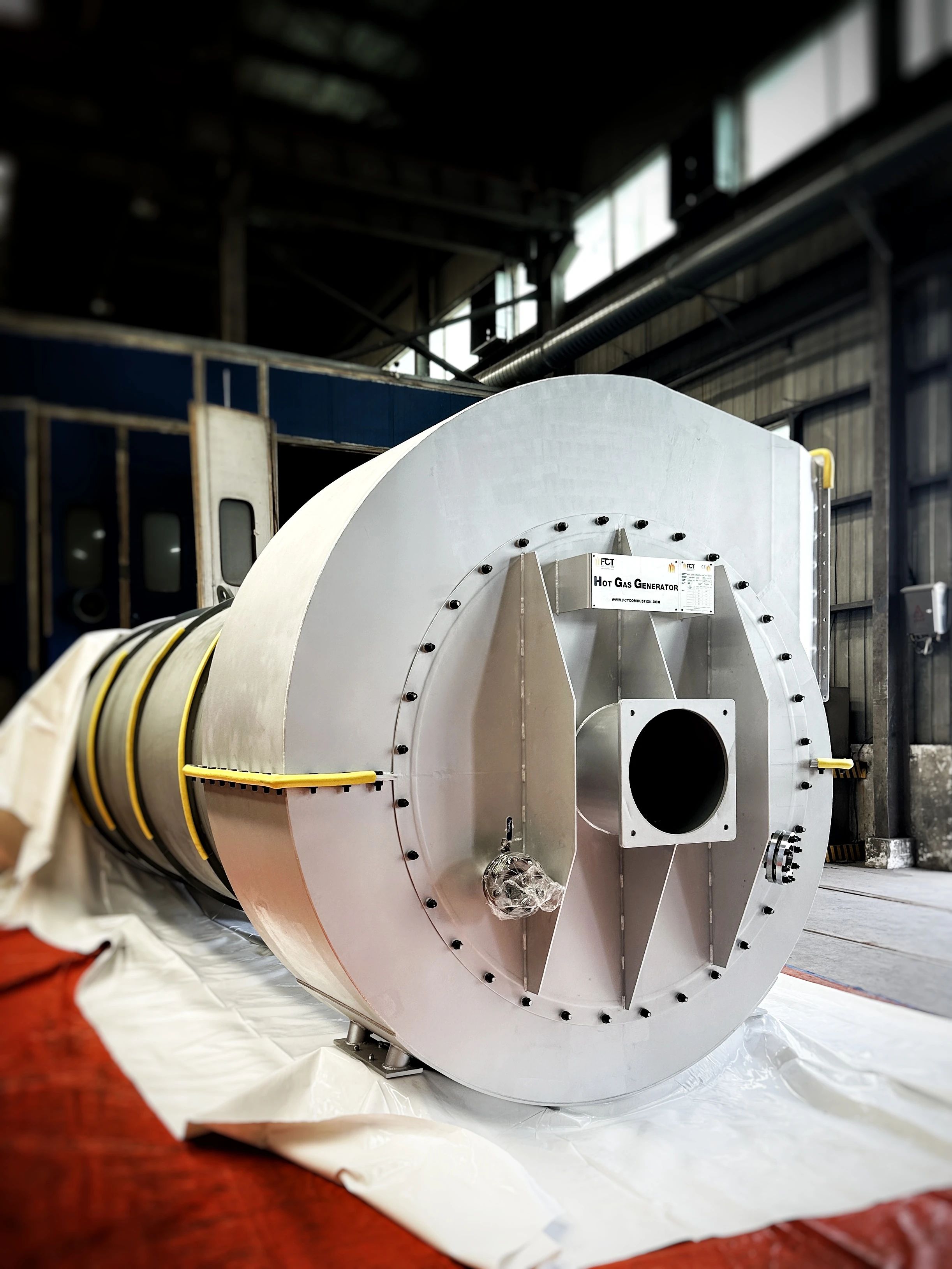
Summary
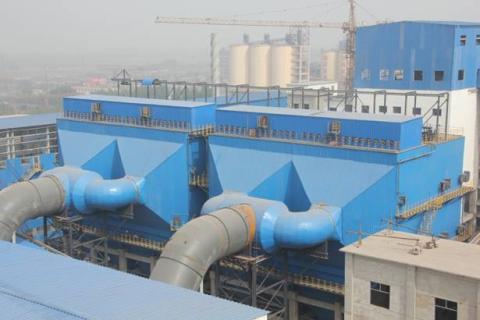
Moving Electrode Electrostatic Precipitators (MEEP) are widely used in sintering processes across the steel industry. This article draws on the inspection and retrofit of a 360m² MEEP system that had been in continuous operation for over a decade. We analyze how structural components—particularly the moving electrodes and rapping mechanisms—affect performance, and offer practical insights into executing a high-efficiency retrofit under tight time and supply constraints.